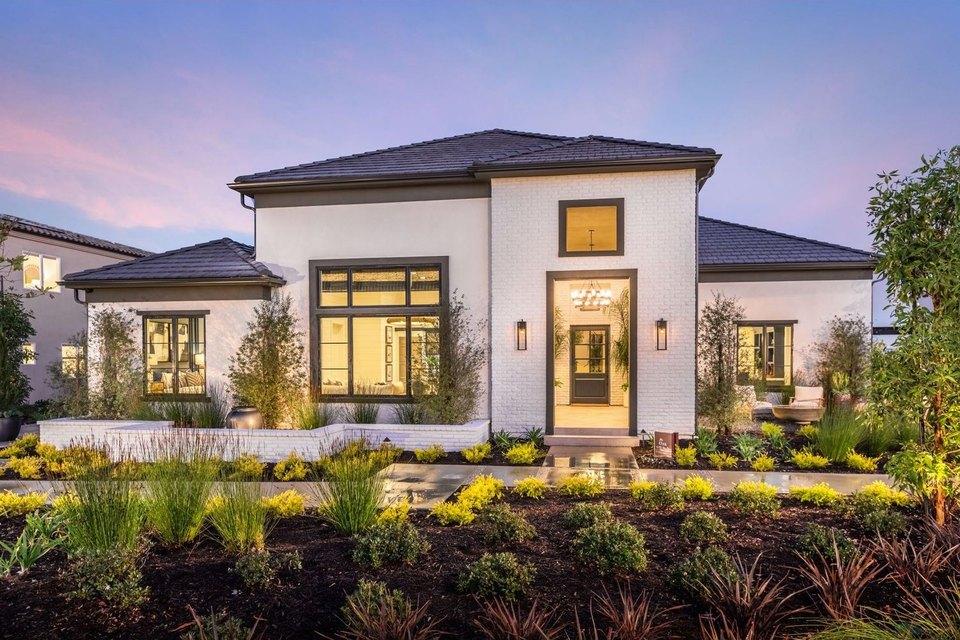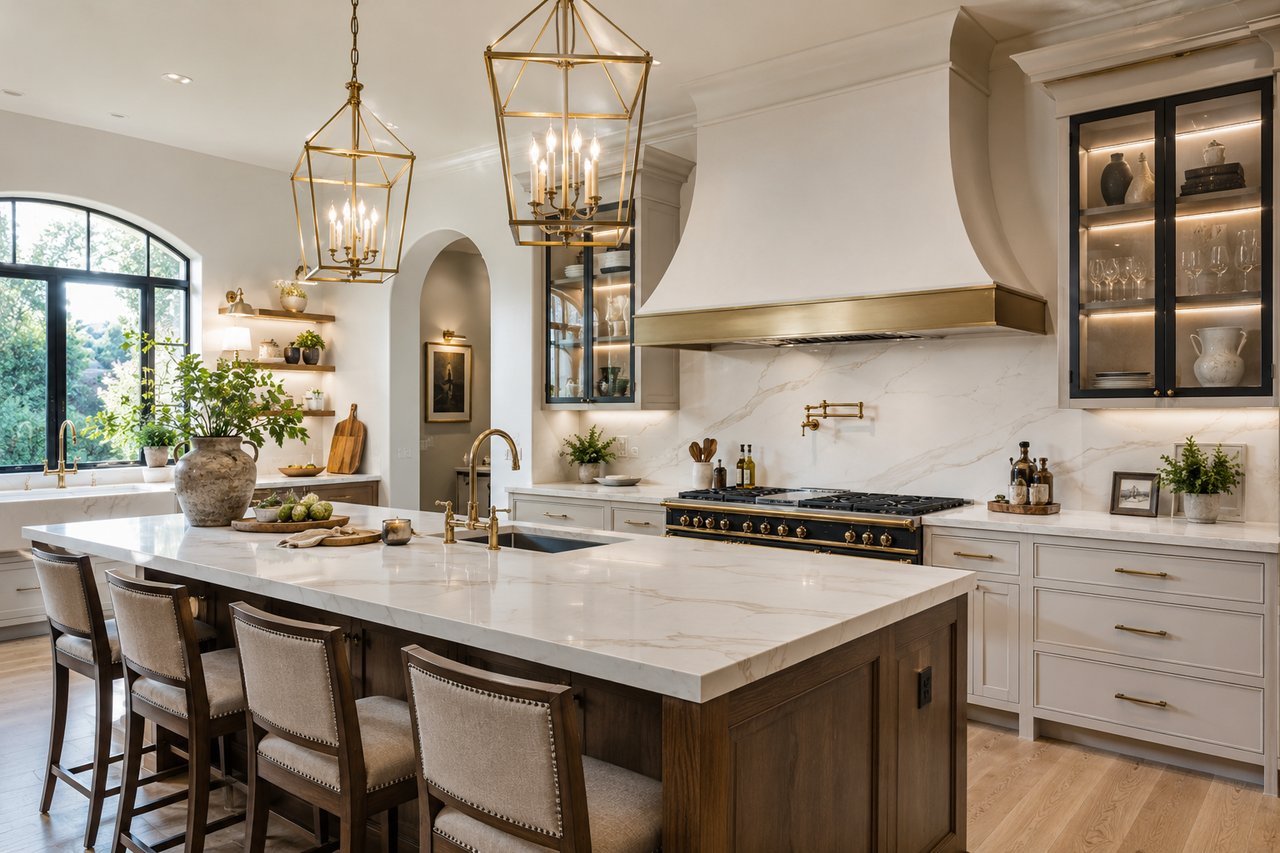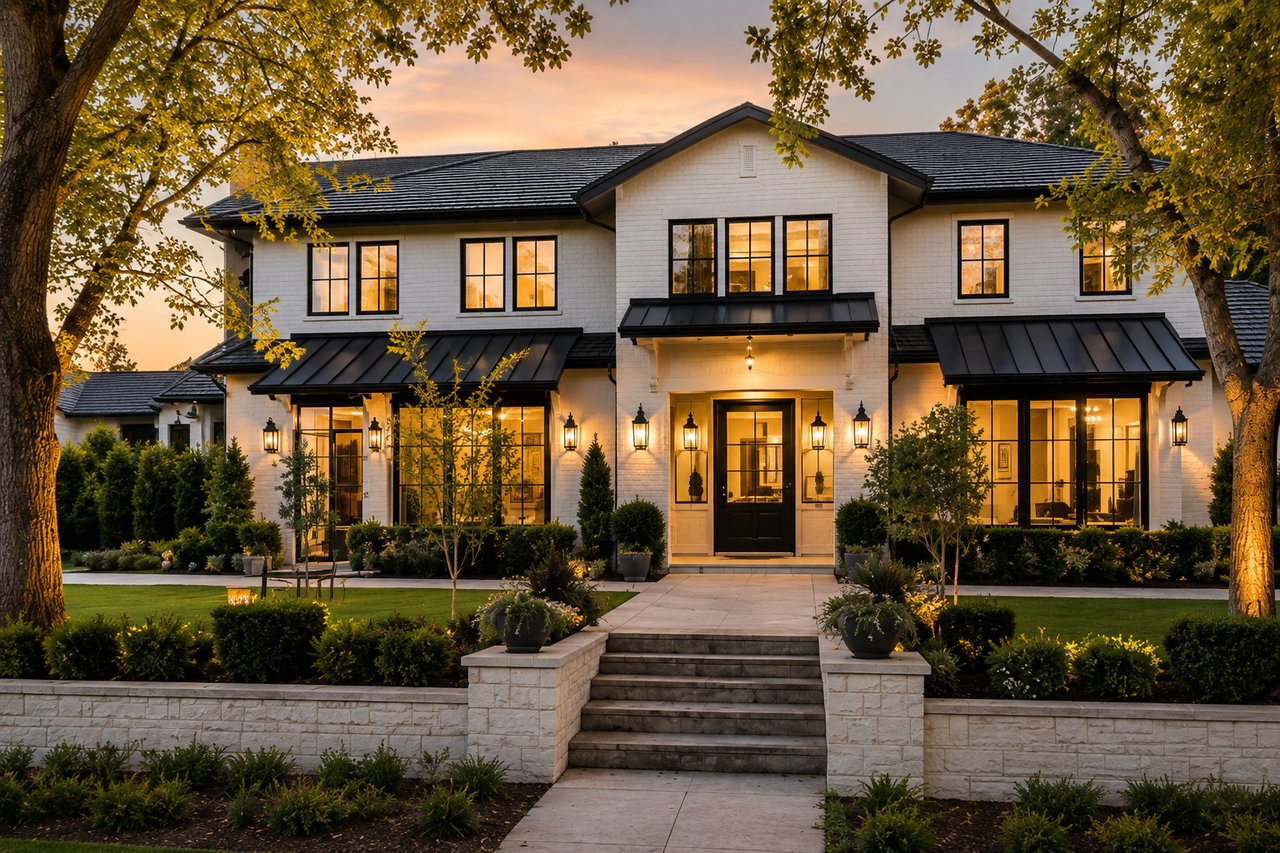
Two Alamo homes come on the market.
They're similar in size. They're in the same school district. They may even appear comparable on paper.
One sells quickly—sometimes with multiple offers.
The other sits.
Why?
After more than two decades selling real estate, I've learned that buyers don't experience homes as spreadsheets. They experience them emotionally—and then use the numbers to justify the decision.
Understanding that difference can be worth hundreds of thousands of dollars.
Price Gets Buyers Through the Door
Pricing is one of the most important parts of a successful sale, but there's an important misconception about it.
The goal isn't simply to choose a price the seller would be happy to accept.
The asking price is a marketing tool.
It determines which buyers see the property online, which buyers decide it's worth visiting, how the home compares with competing listings and whether buyers perceive opportunity or overpricing.
An ambitious asking price usually results in a lower sale price if it causes the home to sit on the market.
Buyers notice days on market. Once a property has been available for an extended period, the conversation changes from:
"How much do we need to offer to get it?"
to:
"How much do you think they'll take?"
That's not where I want my sellers to be.
Presentation Changes Perceived Value
Buyers aren't simply purchasing square footage.
They're purchasing the life they imagine living in the home.
That's why preparation matters.
Paint, lighting, landscaping, staging, photography and even the order of the photographs online influence how a buyer perceives a property.
The objective isn't to disguise a home's shortcomings. It's to make its strengths immediately apparent.
A beautiful family room shouldn't be obscured by oversized or dated furniture. A spectacular backyard shouldn't be photograph number 37. A wonderful floor plan shouldn't require buyers to figure it out for themselves.
We want buyers to understand what makes the property special before they begin looking for reasons not to buy it.
Buyer Objections Matter
Every home has objections.
Busy road. Small yard. Dated kitchen. Steep driveway. Stairs. Limited privacy. Unusual floor plan.
Pretending those things don't exist doesn't make them disappear.
Instead, I try to identify potential objections before we go on the market.
Sometimes we can correct them.
Sometimes presentation can minimize them.
And sometimes the answer is simply making sure the price appropriately reflects them.
This is where local experience becomes particularly valuable. After years of showing and selling Alamo homes, I've heard buyers tell me exactly what they love—and exactly what stops them from making an offer.
The Best Sales Begin Before the Listing Goes Live
By the time a home appears on Zillow, Realtor.com and the MLS, many of the decisions that will determine its success have already been made.
Preparation.
Positioning.
Pricing.
Photography.
Marketing.
Launch strategy.
The strongest result usually comes when all of those decisions reinforce one another.
There is rarely one magical reason that a home sells for an extraordinary price. More often, it's dozens of seemingly small decisions that collectively create buyer enthusiasm.
And buyer enthusiasm is ultimately what creates leverage for a seller.
If you're considering selling your Alamo home, one of the most valuable things we can do is walk through it together before you're ready to list. I can show you what I believe buyers will love, what they may object to, what I would change—and what I wouldn't spend a dollar changing.
Sometimes knowing what not to do is just as valuable.